Back to School Education Concept with Bo
A Designer’s First Look: Clean, Warm, and Ready for Stitching
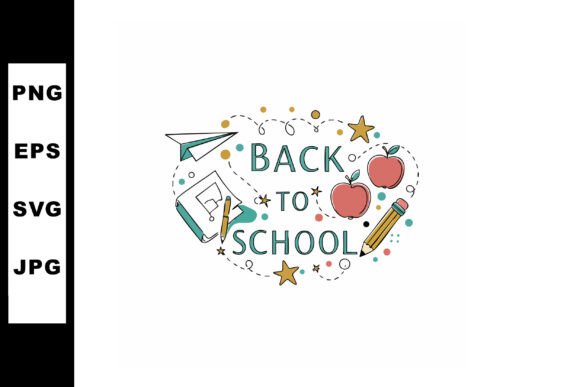
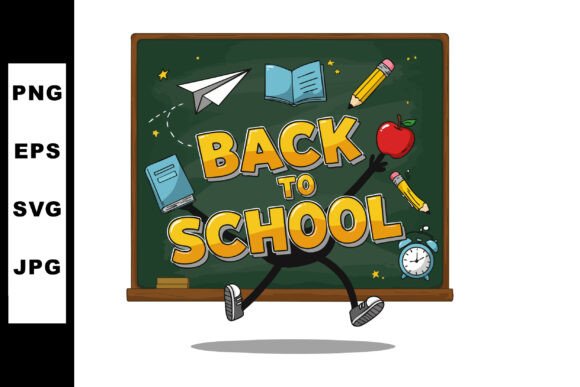
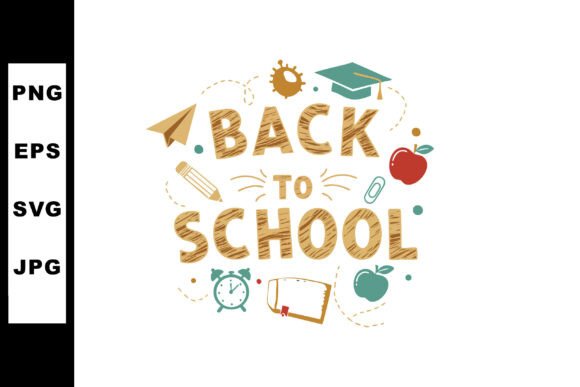
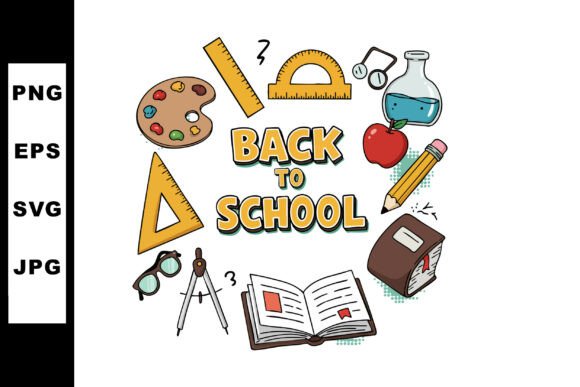
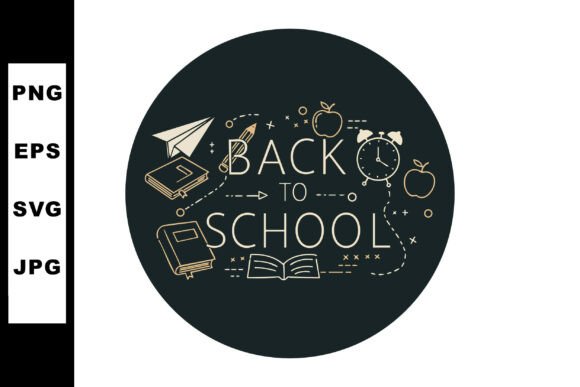
When I opened Back to School Education Concept with Bo, I wasn’t scanning for clipart charm—I was asking: *Will this hold up under needle and thread? Will it read clearly at 3.5 inches on a child’s tote? Will it feel intentional, not generic, on a boutique sweatshirt?* The answer, right away, is yes—this illustration lands with quiet confidence. The dark background isn’t just decorative; it creates instant contrast for embroidery, especially on light fabrics like cotton twill or linen-look tea towels. The composition—books stacked gently, paper planes mid-flight, an apple resting beside a softly stylized clock—feels balanced but not rigid. There’s breathing room between elements, which is gold for machine embroidery design. No overcrowded corners, no tiny disconnected details begging to vanish in fill stitch.
Where It Shines: Real Projects, Real Customers
I tested Back to School Education Concept with Bo as the centerpiece of a custom embroidered tote bag for a local preschool teacher’s welcome kit. On natural canvas, stitched in matte cotton thread (navy, kraft brown, and cream), the design translated beautifully—no bleeding, no distortion. The books read as solid shapes, the clock face stayed legible, and the paper plane added just enough whimsy without looking cartoonish. That’s the sweet spot: professional enough for a school-branded item, warm enough for a handmade product meant to be cherished.
It also worked well scaled down to 2.75” on a baby onesie—paired with a simple running stitch border—and scaled up to 4.25” on a relaxed-fit sweatshirt front. As a patch design, it held crisp edges after heat-sealing and stitching. For Etsy sellers, this is low-friction inventory: one digital embroidery file that supports multiple product types—tote bag design, sweatshirt embroidery, baby embroidery, holiday embroidery (think “first day of kindergarten” keepsakes), and even nursery decor like pillow covers or framed hoop art.
What Makes It Feel Handmade, Not Stock
There’s subtle asymmetry in the layout—the apple leans slightly, the clock sits off-center—that avoids that flat, vector-perfect stiffness. That imperfection reads as human-made, which builds customer trust. Buyers browsing small shop products respond to that nuance. When you’re selling personalized gifts or boutique merchandise, that warmth translates directly to perceived value. It doesn’t scream “clipart.” It whispers “thoughtfully chosen.”
Where to Proceed with Care
Like any strong illustration turned embroidery file, Back to School Education Concept with Bo asks for thoughtful execution—not limitations. Its strength lies in clean shapes, but those shapes assume appropriate context:
- Small hoop sizes (under 4”): Avoid cramming the full composition into tight spaces. Prioritize the clock + apple combo or books + plane—crop intentionally rather than shrink everything.
- Textured or stretchy fabric: On terry cloth towels or ribbed knit caps, use cutaway stabilizer and reduce stitch density slightly where the books meet the clock base—those are the densest fill areas.
- Dark fabric backgrounds: Since the original concept uses a dark background, test thread colors against your fabric first. Cream or light gray may disappear on charcoal; go for heathered tones or metallic accents instead.
- Curved surfaces (caps, curved aprons): The clock’s circular shape adapts well, but avoid placing the full layout across a deep crown curve—it’ll distort the spacing between elements.
Practical Notes Every Embroidery Designer Should Check
Before stitching your first Back to School Education Concept with Bo project:
- Test the design on scrap fabric matching your final product—especially if using layered garments (like reversible totes) or delicate baby embroidery substrates.
- Review stitch density in the book spines and clock face—they’re detailed but not overly dense. Still, confirm your machine handles them smoothly at your chosen speed.
- Check whether the included SVG/EPS files convert cleanly to your embroidery software without losing layer integrity—some converters flatten gradients or drop subtle outlines.
- Use black-and-white mockups to preview how contrast holds up before committing to thread colors.
- Confirm licensing terms before listing finished products on Etsy or offering the file as part of a craft business bundle—this is a Graphics asset, not a commercial-use embroidery file by default unless stated.
- Pair it with complementary running-stitch borders or satin-stitch frames to elevate the handmade presentation without competing with the core design.
Final Thought: A Design That Earns Its Place
Back to School Education Concept with Bo isn’t flashy—but it’s reliable, mood-aware, and quietly versatile. It fits naturally into real workflows: the small shop owner prepping back-to-school inventory, the Etsy seller building a cohesive collection of education-themed design assets, the craft fair maker stitching personalized gifts that feel special without being fussy. It works because it respects both the craft and the customer. You don’t have to explain it. You just stitch it—and people get it.