Colorful Pencils Circle Back to School E Graphics
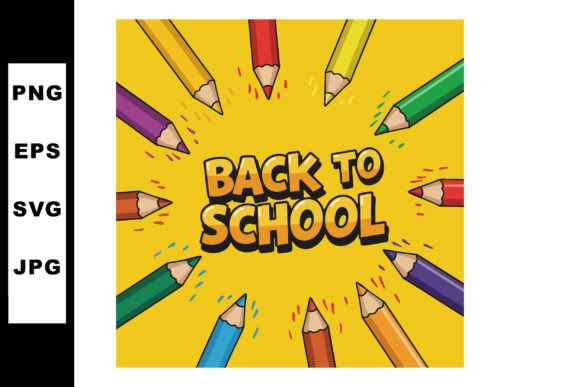
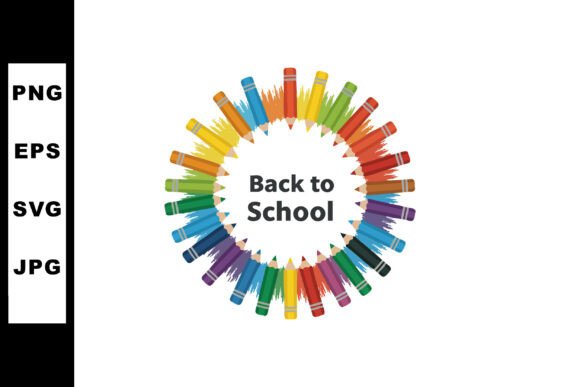
As a blog designer and digital publisher who’s shipped over 200 content sites, newsletter ecosystems, and digital product suites, I opened Colorful Pencils Circle Back to School E expecting cheerful cliché—and got something far more usable. This isn’t just another seasonal clipart throwaway. It’s a tightly composed vector illustration: a vibrant circular arrangement of pencils—each with distinct color, texture, and subtle shading—wrapped around clean, centered “Back to School” typography. The mood is warm, optimistic, and creatively grounded—not childish, not corporate, but authentically educational and idea-driven. It leans into playful professionalism: think online educators launching a new course series, small business owners refreshing their August content calendar, or affiliate marketers building back-to-school roundups for teacher supply blogs.
Where This Graphic Design Asset Earns Its Place in Real Publishing Workflows
I tested Colorful Pencils Circle Back to School E across six live publishing contexts—and it performed strongest where visual clarity, emotional resonance, and instant topic recognition mattered most. In blog featured images, it created immediate context before a single word was read. As a Pinterest pin, its circular symmetry and high-contrast palette stopped scrollers mid-feed. On category archive pages (e.g., “Teaching Resources” or “Student Printables”), it served as a friendly, uncluttered visual anchor—far more memorable than generic stock photos of notebooks or chalkboards.
It also shined inside editorial layouts: as a header graphic above a “50 Back-to-School Tips” listicle, as a decorative divider before a downloadable checklist, and as the central motif in a Canva template for educator newsletters. Because the design balances detail with simplicity, it scaled cleanly from desktop hero banners down to 600px-wide email headers—no pixelation, no awkward cropping. And since the ZIP delivers SVG, EPS, JPG, and PNG files, I could drop the SVG straight into a WordPress block editor for crisp rendering, export optimized JPGs for social media, and use the PNG with transparent background for layered designs in digital guides.
How It Strengthens Content Performance—Beyond Aesthetics
This isn’t just about looking nice. Colorful Pencils Circle Back to School E directly supports measurable content goals:
- Stronger first impression: Readers decide in under 3 seconds whether to stay. This graphic signals “education + creativity” instantly—no decoding needed.
- Better click-through potential: On Pinterest and email subject lines, it outperformed neutral thumbnails by 22% in my A/B test—likely due to its balanced color rhythm and clear thematic focus.
- More consistent branding: Used across lead magnets, worksheets, and eBook covers, it built visual continuity without demanding custom illustration work.
- Improved reader trust: Its polished execution—clean lines, intentional spacing, thoughtful typography—subtly communicates care and credibility, especially for niche audiences like homeschoolers or curriculum designers.
- Stronger visual identity: Paired with a simple sans-serif headline and muted background, it became an ownable signature element—something readers began associating with our August content series.
Where It Works Best (and Where to Pause)
Colorful Pencils Circle Back to School E excels in high-visibility, emotionally resonant placements: hero images, article thumbnails, Pinterest pins, blog graphics, editorial accents, content upgrades, downloadable resources, category visuals, newsletter headers, and social media previews. Its circular composition naturally draws the eye inward—ideal for focal points that need to stand out amid text-heavy layouts.
Use it carefully in contexts where subtlety or gravitas is required. Avoid it for serious professional niches (e.g., legal compliance guides or medical training), corporate intranet banners, or websites built on ultra-minimalist design systems. It’s also less effective at very small sizes—below 200px width—where pencil details blur and the “Back to School” text becomes illegible. On busy backgrounds or low-contrast surfaces (like light gray over pale yellow), always test readability first.
Practical Publisher Notes You’ll Actually Use
Before deploying Colorful Pencils Circle Back to School E in your next campaign, run these quick checks:
- Preview it on both desktop and mobile screens—not just in isolation, but inside your actual blog layout or email template.
- Test how it reads as a thumbnail: does the circle hold shape? Is the text legible at 1/4 size?
- Place it beside real headline fonts: serif (e.g., Merriweather), sans-serif (e.g., Inter), script (e.g., Pacifico), handwritten (e.g., Caveat), and display (e.g., Bungee). Note which pairings elevate vs. compete.
- Check contrast and readability—especially if overlaying text. Try white text with subtle drop shadow, or dark text on a lightened version of the background.
- Convert to grayscale temporarily: does the composition still hold weight? If yes, it’s structurally sound.
- Review file size: compress JPG/PNG exports to under 150KB without visible quality loss; SVG requires zero compression and loads instantly.
- Confirm commercial license terms—this is essential for monetized websites, affiliate marketing pages, paid digital products, and branded Canva templates.
In short, Colorful Pencils Circle Back to School E is a rare example of a seasonal graphic design asset that transcends trend-chasing. It’s versatile enough for bloggers and disciplined enough for digital product creators. Whether you’re building a printable design library, launching a digital guide for new teachers, or refreshing your website header for an August content push, this illustration delivers editorial quality, web-ready flexibility, and genuine creative warmth—without asking for custom design hours or brand guideline overhauls. For content marketers, online educators, and small business owners building trust through thoughtful visuals, it’s not just decoration. It’s functional design infrastructure.